

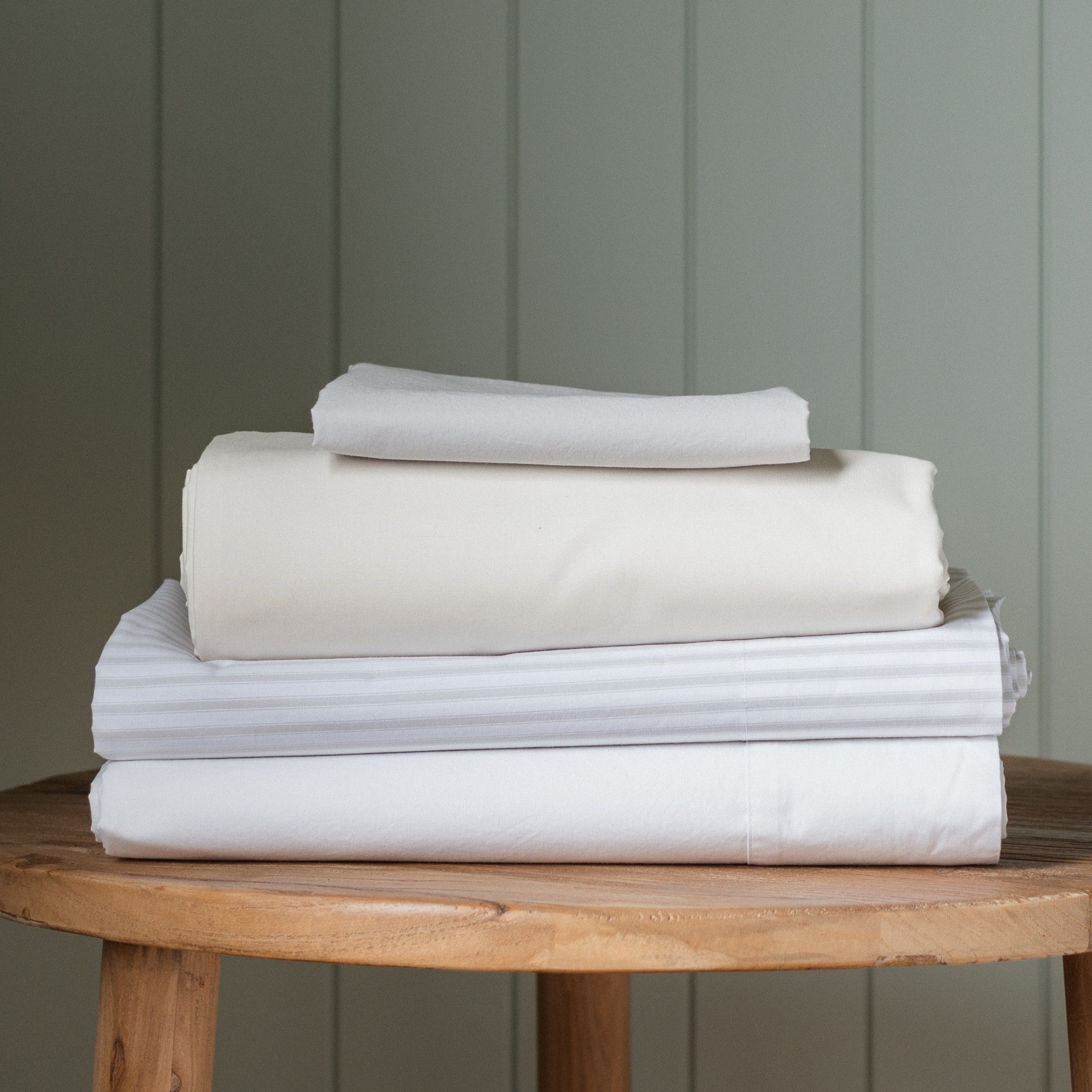

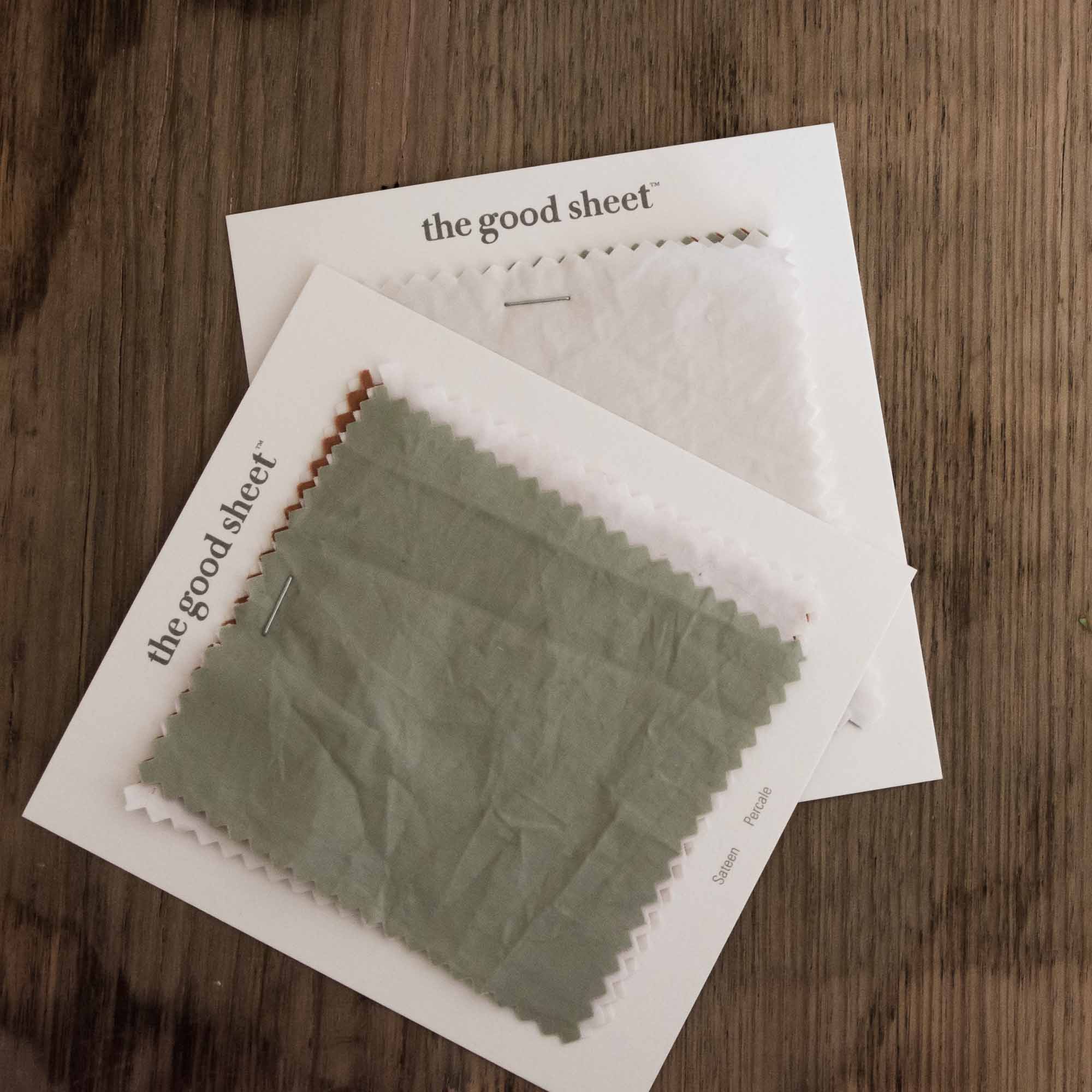

About Heavyweight Percale
Heavyweight percale is our take on traditional cotton sheeting - thicker, crisper and more structured than most modern options, yet breathable enough for year-round comfort. If you’ve ever wondered why some sheets feel flimsy and others feel substantial, this page explains the difference.
What it is
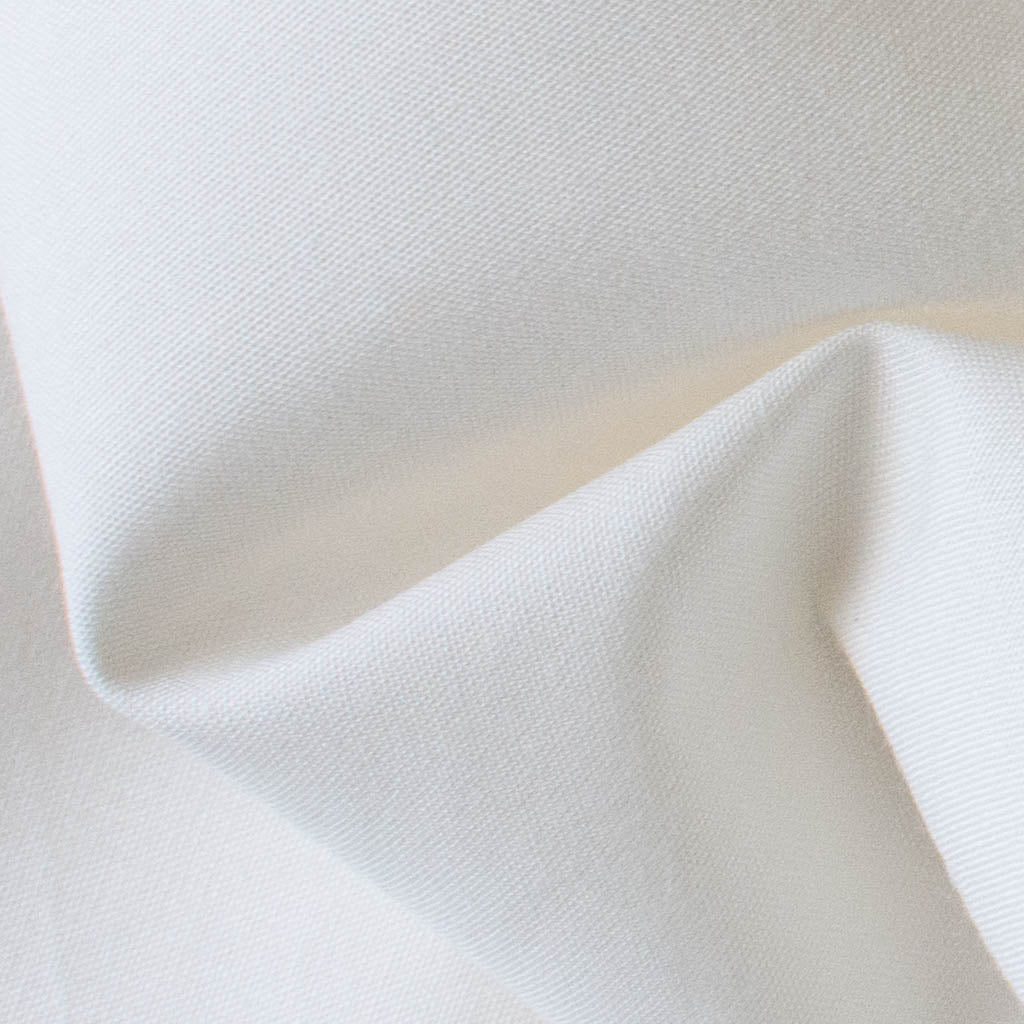
Percale refers to a classic plain weave - a simple one-over, one-under construction that creates a tightly woven cotton fabric with a typical thread count of at least 180 threads per square inch - crisp, breathable and smooth, with a matte finish.
Heavyweight percale uses thicker yarns and a lower thread count than most modern percales. The result is a fabric that feels more substantial in the hand and on the bed, without losing the weave’s signature crisp feel, airflow and freshness.
At approximately 155 g/m², ours sits well above today’s lightweight percales, which often fall closer to 100-110 g/m². That added density gives it structure and longevity, while still remaining lighter and cooler than many sateens, vintage-style muslin weaves, and flannels.
In practical terms: it feels sturdy, grounded and crisp - not flimsy, not slippery.

What it used to be
Percale wasn’t always light and soft.
Decades ago, it was commonly made with sturdier yarns and designed with durability in mind. That’s why many people remember older sheets as cooler, crisper and more robust than what’s widely sold today.
Over time, tastes shifted. Higher thread counts and finer yarns became popular, producing lighter, softer fabrics with more drape. That’s now the norm in most percale on the market. We chose to return to the thicker, more structured standard that was common from the 70s through the 90s - and that’s the foundation our Heavyweight Percale is built around.
The confusion
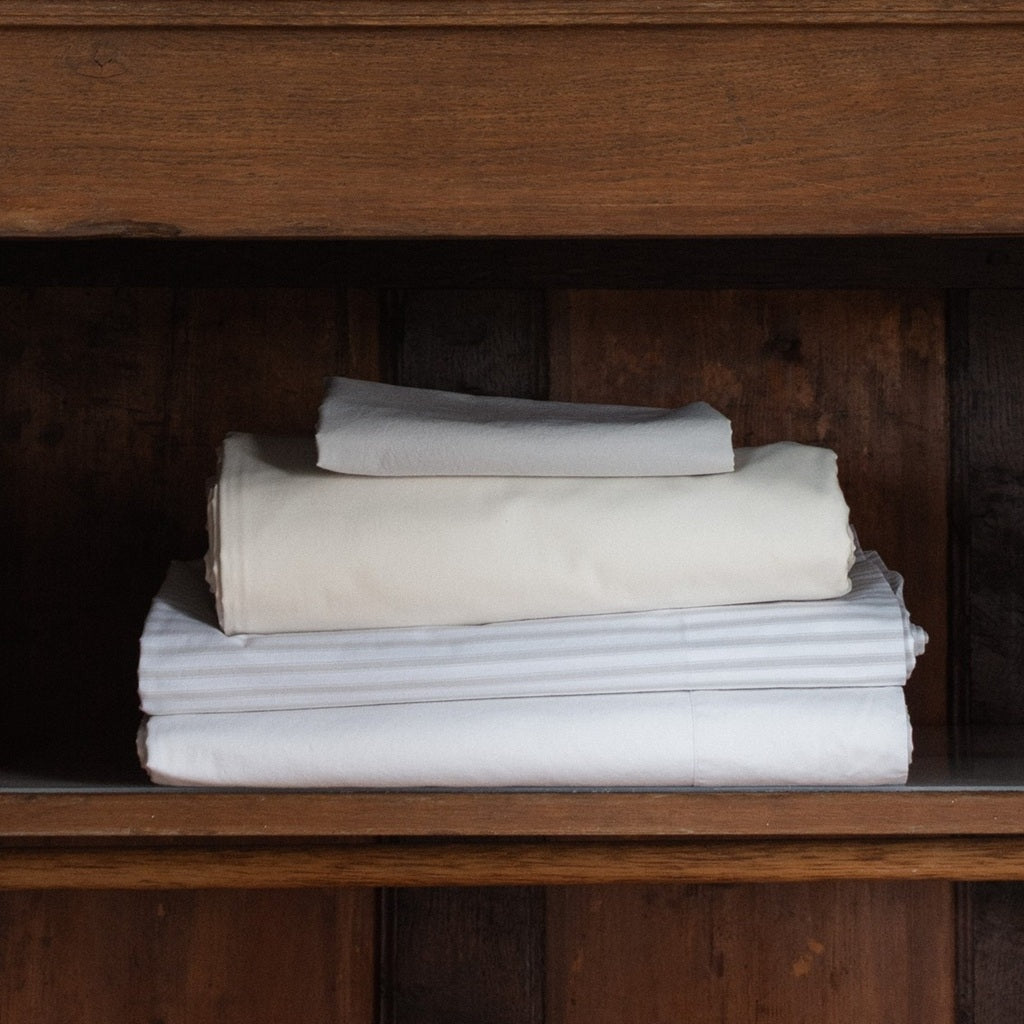
When people think of “old-fashioned” or “grandma’s” sheets, they’re often remembering very different fabrics - which is why expectations around percale can vary so widely.
Percale was often considered a premium option. But other common sheets of the time included:
Thick muslin weaves: Muslin is typically lightweight, but heavier, coarser versions were widely used for basic sheeting in the mid-20th century. These could feel quite thick and sturdy.
Polycotton blends: From the 1970s onward, 50/50 polyester-cotton blends became popular for their wrinkle resistance and ease of care. The polyester content often made them feel thicker but less breathable than pure cotton.
Resin-finished “easy care” sheets: Wrinkle-resistant finishes were widely used on both cotton and polycotton sheets. These chemical resin treatments helped fabric resist creasing and hold shape, but they also altered the natural feel of the fibre.
So when someone remembers “thick old sheets,” they may be remembering muslin, a blend, a chemical finish - or true sturdy percale.
Heavyweight percale sits firmly in the last category: structured, breathable, and untreated 100% cotton.

What to expect
Heavyweight percale is substantial for a percale - but it isn’t bulky in general or like winter-weight fabrics, and it isn’t silky or drapey like sateen.
It is not:
- as thick as heavy muslin
- a polyester blend
- wrinkle-free
- instantly soft
Percale does have that familiar percale rustle, especially when new.
And yes, it does crease - because it’s real cotton, without chemical finishes.
And it does soften gradually with use, much like a good cotton shirt.
Over time, it becomes smoother and more comfortable while retaining its structure and crisp feel.
For many people - especially warm sleepers or those tired of flimsy sheets - that balance of structure, airflow and durability is exactly what’s been missing.

QUALITY
We make fewer things, but better. Honest materials, honest construction - well-made bedding designed to go the distance.

COMFORT
Natural fibres only. No synthetics, no harmful chemical treatments - just good, clean materials for better sleep.

FREE SHIPPING
Fast dispatch and Australia-wide free shipping on all orders over $150.

30 DAY RETURNS
Don't love it? 30 day returns on full priced items. See our full returns policy.